The Long Tail of Indian Customs: Defending Imports Years After the Bill of Lading
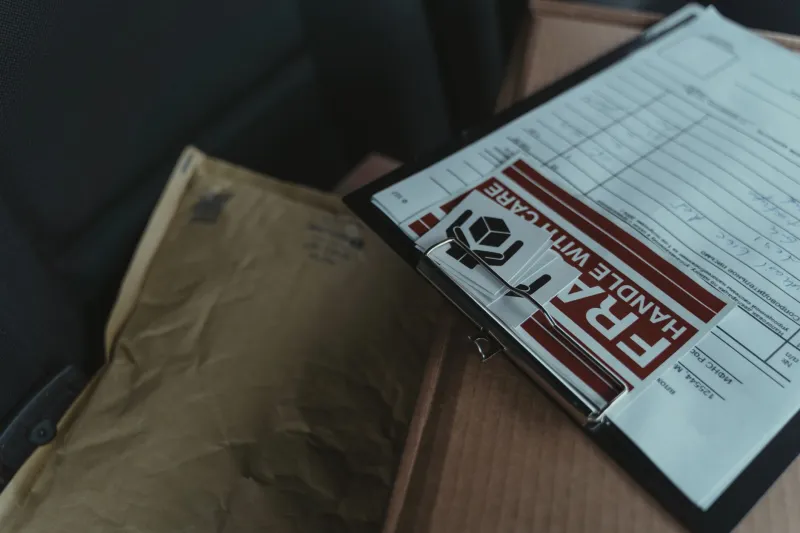
For a US importer, the bill of entry feels like a finish line. The goods are cleared, the duty is paid, and the container is moving. In India, that is often the midpoint. Customs authorities can reopen entries long after clearance through post-clearance audit, and the review can reach back across multiple financial years. The result is a demand that arrives when the shipment is a distant memory and the original customs broker has moved on.
Clearance is an event; audit is a season
Post-clearance audit is a documentary review conducted after goods have been released. It is not a second inspection at the port. The auditor works from the bill of entry, the supporting documents, and the importer's records. The questions are familiar: was the declared value correct, was the classification correct, was the exemption correctly claimed, was the country of origin properly established, and were related-party transactions priced at arm's length? A review that begins with one entry can expand into a sample of entries, then into a period, then into a pattern.
The lookback can be long. US finance teams often assume that once the statutory time for a refund or a short levy has passed, the file is closed. In practice, India's customs framework gives authorities room to revisit entries years later, and the practical reach of a post-clearance audit can cover several years of imports. That is why the audit is best understood as a season, not an event.
What prompts the review
A post-clearance audit is rarely random in the way US finance teams imagine. It may begin with a risk flag in the customs system, an intelligence alert, a related-party import pattern, a sudden change in declared value, a classification that looks inconsistent with the product literature, or a campaign against a particular industry. Repeat imports of the same product from the same supplier can attract attention if the declared value does not move while market prices do. Exemption claims are another common trigger; a notification that was available in one year may have been withdrawn or amended in another.
Sometimes the trigger is simpler: a broker files an entry with a code that does not match the invoice, and the mismatch surfaces later. The importer may never see the flag until the questionnaire arrives.
The documents that decide the outcome
The audit is won or lost on whether the documents tell one coherent story. The core file includes the bill of entry, commercial invoice, packing list, bill of lading or airway bill, purchase order, payment proof, bank remittance advice, certificate of origin, and the exemption notification or classification ruling relied on at the time of import. Product catalogues, technical specifications, and even marketing material can matter because they help explain what the goods actually are.
For related-party imports, the file should also include the transfer pricing study, the intercompany agreement, and evidence that the price was tested under the applicable rules. For valuation, the auditor may ask for the supplier's price list, contemporaneous imports of similar goods, and the basis for any discount or adjustment. A missing document is not automatically fatal, but it shifts the burden of explanation onto the importer.
Reconstructing the record before the notice arrives
The most effective defense is built before the audit begins. Start with an entry-level data room: every bill of entry, every invoice, every supporting document, indexed by shipment and by product. Reconcile the declared value to the general ledger and to the bank payments. Test the HSN classification against the product specification and against prior entries. Review related-party pricing for the periods still open. Check whether every exemption claimed was valid on the date of import and whether the conditions attached to it were met.
Then run a sample audit. Pick the highest-value entries, the most repeated products, and the most complex exemptions. Ask the same questions a customs auditor would ask. If the file cannot answer them, fix the record now. Preserve documents in a format that can be produced quickly, and designate one owner for audit responses. Do not wait for a summons to ask the broker for the file.
When the demand lands
A demand is not the end of the process; it is the beginning of a structured response. Verify the notice, identify the entries and periods covered, calculate the exposure, and separate issues of law from issues of documentation. Some demands can be resolved through explanation and additional evidence. Others require a formal reply, a personal hearing, and possibly an appeal. The worst response is a delayed one, because interest continues to run and the record becomes harder to reconstruct.
For US headquarters, the lesson is to treat Indian customs clearance as the start of a records obligation, not the end of a transaction. The companies that fare best in a post-clearance audit are not the ones with the most aggressive positions. They are the ones whose files can explain, years later, exactly what was imported, why it was classified that way, and why the declared value was correct.