The Cheapest Question in India: Using an Advance Ruling to Settle Tax Treatment Before the Container Sails
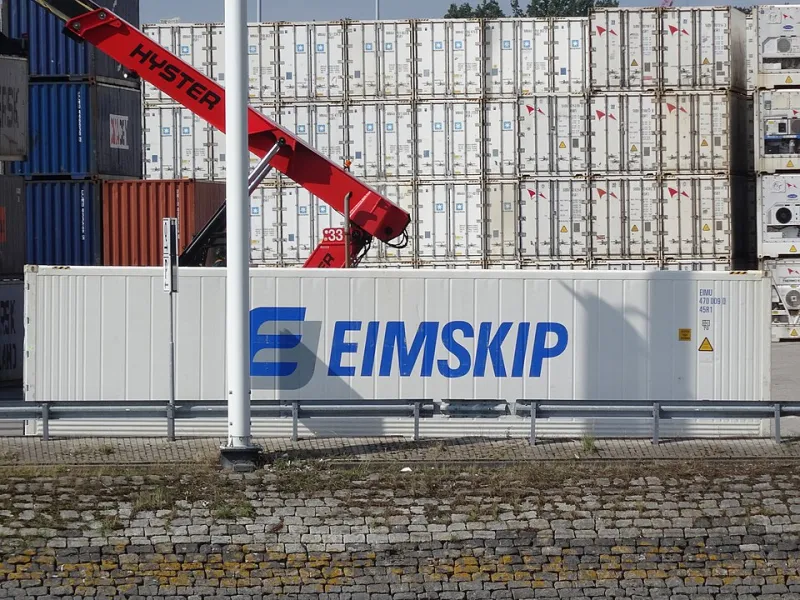
Photo: AgainErick, CC BY-SA 4.0, via Wikimedia Commons
Picture the sequence. A US medical-device maker launches a new accessory line in India. The goods are classified on the commercial invoice by a freight forwarder working from a similar product's entry. Eight months later, the consignments are detained at a port, a reclassification is proposed, duty is demanded on the differential, input credits are reversed, and the company's Indian finance team is assembling documentation that never existed.
Now picture the alternative. Six weeks before the first shipment, the Indian subsidiary files a question with the customs advance ruling authority, describing the product, its composition, its function, and its technical literature, and asks for a determination of classification. The answer is binding on the department for that importer. The shipment clears. The file is closed.
Indian law provides this mechanism on both sides of the ledger — customs and GST — and it remains one of the most underused tools available to foreign-owned businesses. The usual objection is that the process is slow and bureaucratic. In practice, the more common failure is not delay. It is a badly scoped question.
Two doors, and they are not interchangeable
Customs advance rulings cover the classification of goods, the principles for determining value, the applicability of a notification, and determinations relevant to preferential tariff treatment under trade agreements. These are the natural instrument for an importer whose exposure sits at the border: what duty rate applies, whether a concession is available, whether goods qualify as originating.
GST advance rulings cover a wider and more commercially interesting field: whether a particular activity constitutes a supply, the classification of goods or services, the applicability of a rate or notification, the eligibility of input tax credits, the valuation of a supply, and procedural questions such as registration liability. For an intercompany arrangement, a bundled service offering, or a credit position the business intends to rely on, this is the route.
Choosing the wrong door wastes months. A parent that wants certainty on the duty treatment of imports should not file a GST question about the downstream sale, and a services business arguing about credit eligibility has nothing to gain from a customs ruling.
Scoping a question that survives contact with the authority
The authorities do not volunteer analysis. They answer what is asked, and they will decline a question that is vague, hypothetical, or already pending before another forum.
- Frame facts, not conclusions. 'Is product X classifiable under heading A or heading B, given the composition and function described in Annexure 1' is answerable. 'Please confirm our product attracts a five percent rate' invites a refusal or an unwelcome answer.
- One question per application where possible. Compound applications invite the authority to answer the easiest part and leave the rest ambiguous.
- Attach the evidence. Technical data sheets, process flows, contracts, sample invoices, and — critically — a clear description of what is imported versus what is manufactured.
- Avoid subjects already under examination. A question that duplicates an issue raised in a pending audit, show-cause notice, or appeal will generally be rejected, and the rejection itself becomes discoverable.
- Time it deliberately. The mechanism protects prospective transactions. Filed after a detention, it provides little comfort and signals that the position was contested rather than planned.
The risks the brochures leave out
Advance rulings are not a free option, and the honest case for them includes the downside.
The ruling binds the applicant and the jurisdictional officer in respect of that applicant. It does not bind the department elsewhere, and it does not protect a related entity in a different state. India's state-level GST authorities have issued inconsistent rulings on materially identical questions, so a favorable outcome in one jurisdiction is not a national license.
More importantly, an adverse ruling binds the applicant immediately. A company that asks and loses has converted a debatable position into a settled liability, prospectively, with a published document bearing its name. Advance rulings are public. Competitors, auditors, and departmental officers read them, and an adverse ruling on a classification question tends to travel faster than the goods ever did.
The ruling also ceases to bind where the law, the facts, or the circumstances change. A product reformulated, a contract renegotiated, or a notification amended resets the analysis — and continuing to rely on a superseded ruling is worse than never having obtained one.
Finally, the mechanism requires disclosure. The application describes the business with a specificity most companies reserve for their own files.
A practical playbook
Step one: quantify the stake. Calculate the annual duty or credit value at issue. If the exposure is small and the position is well supported, documentation and a legal opinion may be sufficient. If the number is material, or the product line is expected to grow, a ruling is cheap insurance.
Step two: get an independent view first. File only when counsel believes the position is likely to succeed, and only when the applicant can live with a negative answer. Occasionally the right decision is to restructure the transaction so that the question never arises.
Step three: build the file as a defense exhibit. Assume the application will be read by someone hostile. Every factual assertion should be backed by a document that would stand up in a subsequent audit.
Step four: plan for the appeal. Both the customs and GST regimes provide appellate routes, and GST appeals now flow toward the tribunal structure that has begun operating. Budget time and cost for the possibility that the first instance answer is unfavorable.
Step five: calendar the review. Diarize the ruling for annual reconsideration against legislative changes, product revisions, and contract amendments. A stale ruling is a liability dressed as an asset.
The bottom line
Most Indian tax disputes that US companies describe as surprises were, at bottom, unanswered questions. The advance ruling mechanism exists to answer them in advance, in writing, before the goods move. It is not fast, it is not free, and it does not always go your way — but the alternative is discovering the answer from a detention notice, months after the invoice was issued and the margin was booked.